How Can You Check Whether a Watermelon Is Contaminated? – Two Simple Water and Iodine Tests.
Two Simple Water and Iodine Tests Can Help Detect Excess Nitrates in Watermelon
Two simple home tests using water and iodine may help indicate whether a watermelon contains excessive nitrates. However, nitrate levels cannot be accurately determined by appearance alone, so using a nitrate tester remains the most reliable method.
According to Oxu.Az, Russian agricultural scientist Dr. Nina Myasisheva, an associate professor and Doctor of Agricultural Sciences, shared this advice in an interview with Gazeta.ru.
Home testing methods
Water test:
Place a small piece of watermelon flesh into a glass of water. If the water becomes slightly cloudy, this is considered normal. However, if it turns pink or red, it may indicate the presence of excessive or undesirable substances, and the watermelon should be avoided.
Iodine test:
Put one drop of iodine on a freshly cut piece of watermelon. If the iodine changes to a bluish color, it may indicate the presence of nitrates.
Dr. Myasisheva notes that these methods do not always provide 100% accurate results. The most reliable way to measure nitrate levels is to use a dedicated nitrate tester.
The safe nitrate limit for watermelon is up to 60 mg per kilogram. Higher concentrations may lead to nitrate poisoning. Symptoms can include weakness, dizziness, nausea, vomiting, abdominal pain and cramps, diarrhea, loss of appetite, and drowsiness.
What to look for when buying a watermelon
Dr. Myasisheva also recommends paying attention to the fruit's appearance:
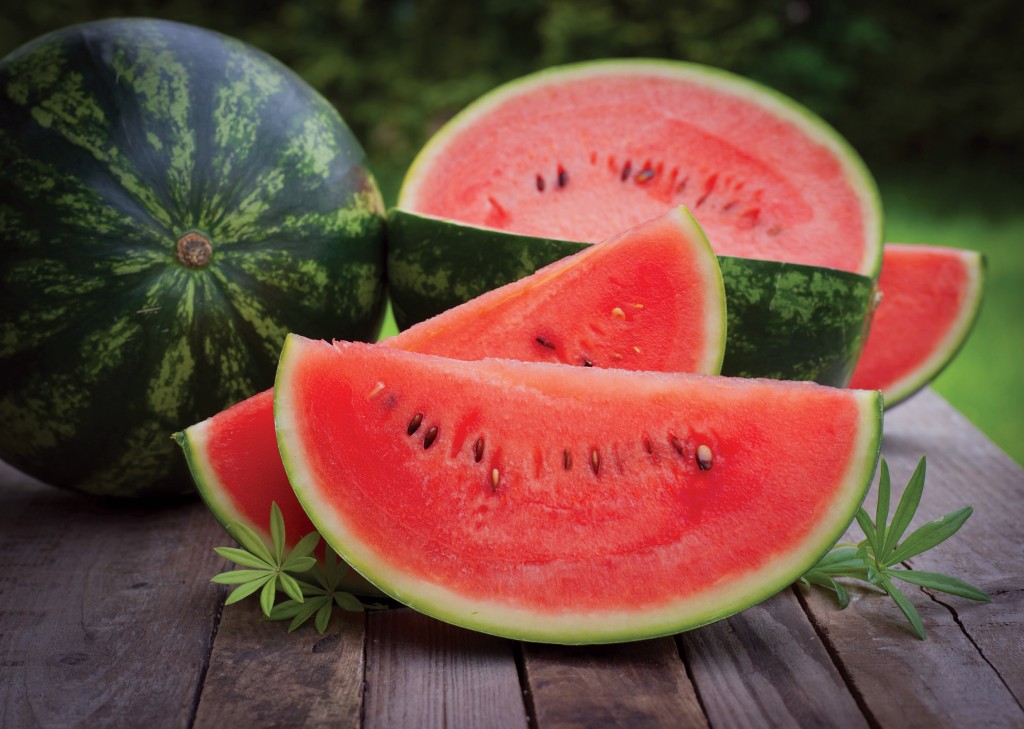
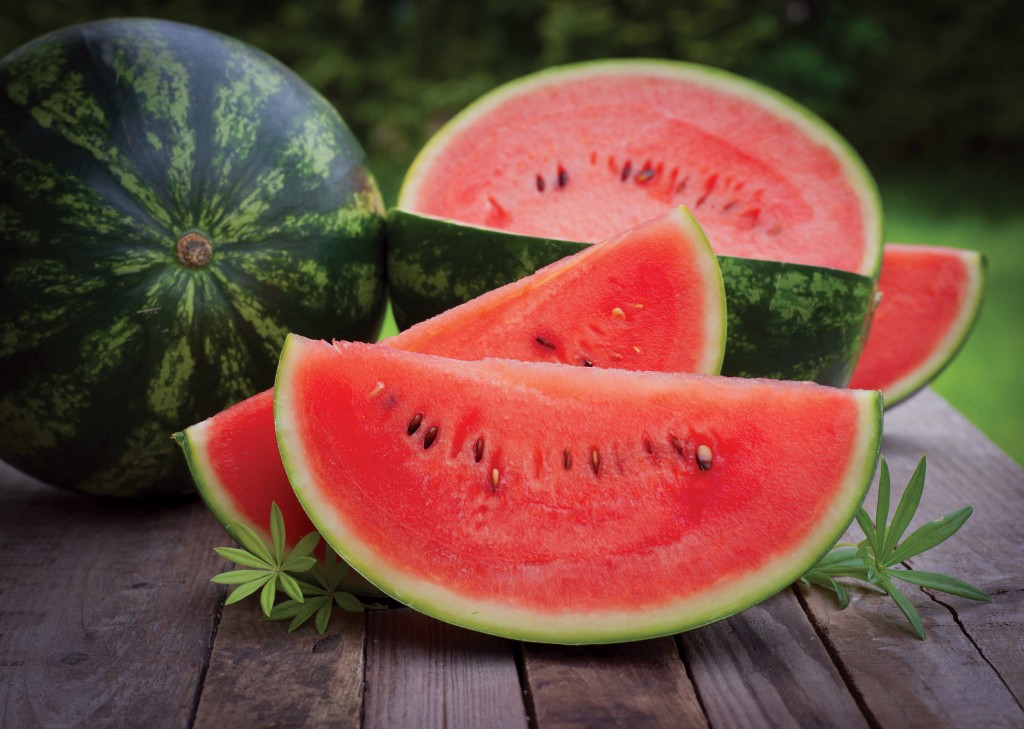
- The flesh should not be unnaturally bright red or purple.
- In a safe watermelon, the fibers running from the center to the rind are white. Yellow or dark yellow fibers may be a warning sign.
- A watermelon with excessive nitrates may have an unusually smooth and glossy cut surface, while a high-quality watermelon typically has a velvety, grainy texture.
Finally, she advises buying watermelons only from authorized retailers and asking sellers for a quality certificate. Watermelons sold along roadsides may absorb vehicle exhaust fumes and heavy metals, making them potentially hazardous to health.