The Most Remote Places on Earth
Far from busy cities, highways and crowded tourist destinations, there are places on Earth where nature still dominates the landscape. Some are separated from the rest of the world by thousands of kilometers of ocean, while others are hidden deep inside mountains, deserts or frozen regions.
These remote locations offer a fascinating look at how people, animals and nature can survive far away from modern civilization.
Tristan da Cunha – One of the Most Isolated Inhabited Islands
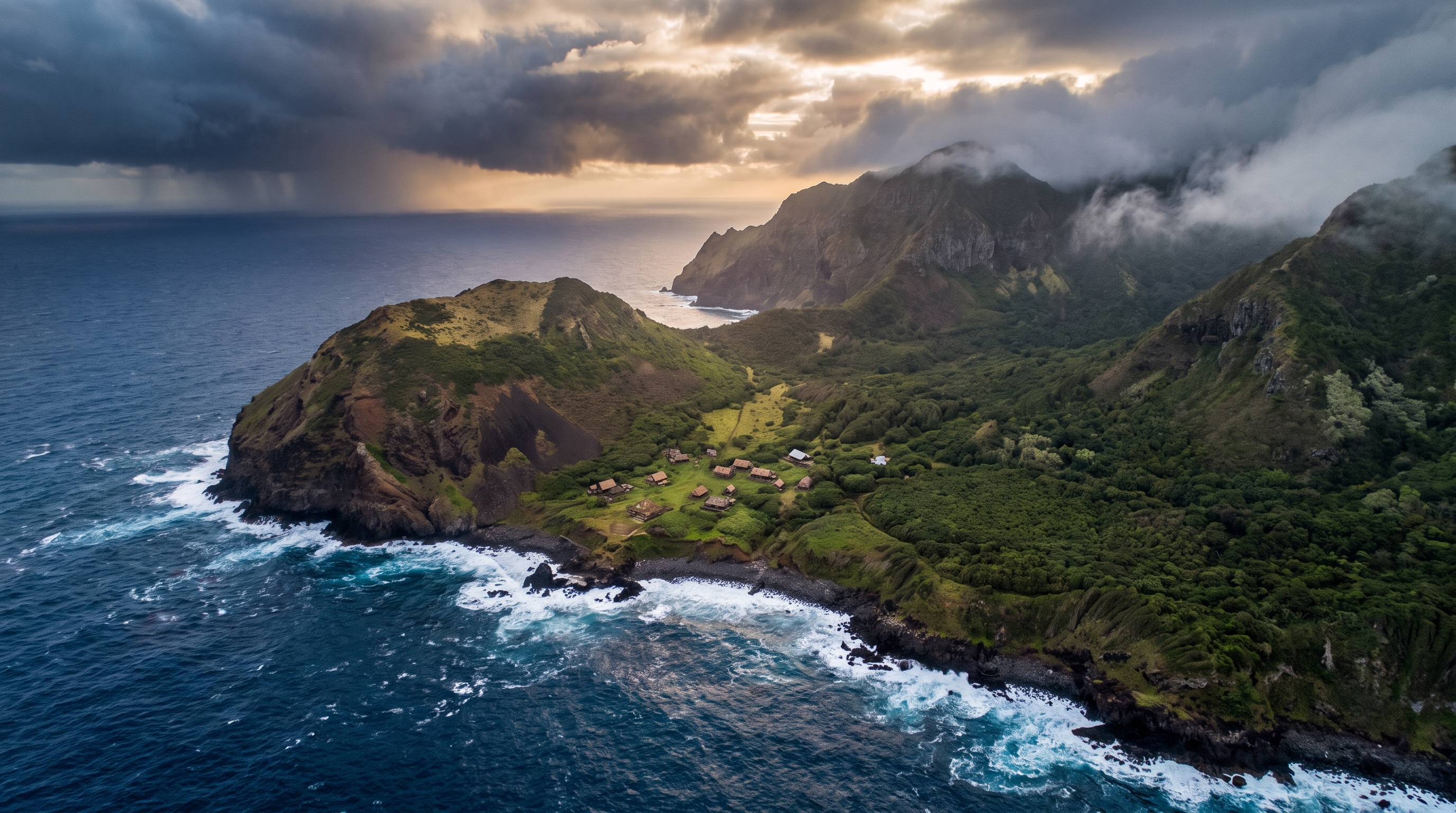
Tristan da Cunha is a small volcanic island in the South Atlantic Ocean. It is often described as one of the most remote inhabited places on Earth.
The island is thousands of kilometers away from major population centers. Reaching it is difficult and usually requires a long journey by sea.
Despite its isolation, Tristan da Cunha has a permanent community. Residents live around the main settlement, Edinburgh of the Seven Seas, and rely heavily on fishing, farming and supplies brought by ships.
Antarctica – The Most Extreme Remote Environment
Antarctica is the most remote continent on Earth in many respects. It has no permanent civilian population and is covered by an enormous ice sheet.
Scientists and researchers live in specialized research stations, sometimes spending months in extreme isolation.
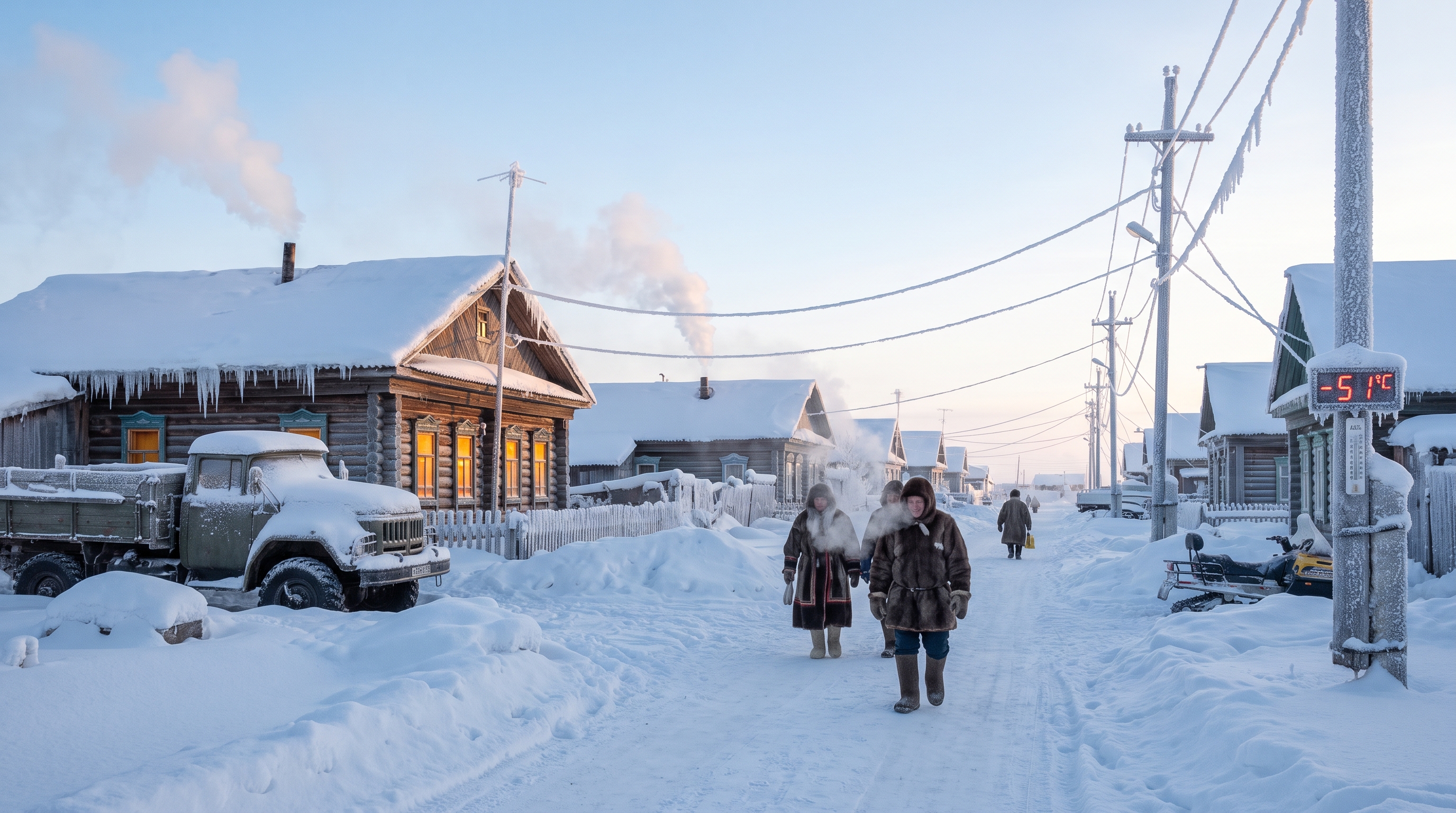
During the Antarctic winter, temperatures can become extraordinarily low, while darkness can last for long periods in some areas.
The continent is also home to unique wildlife, including penguins, seals and several species of seabirds.
Point Nemo – The Farthest Place from Land
Deep in the South Pacific Ocean lies a location known as Point Nemo.
It is often called the oceanic pole of inaccessibility because it is farther from land than any other point on Earth's oceans.
The nearest pieces of land are thousands of kilometers away. At times, astronauts aboard the International Space Station can actually be closer to Point Nemo than people on land.
There is no town or permanent human settlement there. It is essentially a vast area of open ocean.
The Amazon Rainforest
The Amazon contains some of the most difficult-to-reach places on the planet.
Dense forests, enormous rivers, wetlands and limited roads make travel challenging in many regions. Some indigenous communities live far from major cities and maintain traditional ways of life.
The rainforest is also one of Earth's most biologically diverse environments, containing millions of plants, animals and insects.
Greenland's Remote Arctic Communities
Greenland is the world's largest island and contains enormous areas of ice-covered wilderness.
Many communities are located along the coast because much of the interior is covered by the Greenland Ice Sheet.
Some settlements have no roads connecting them to other towns. Residents may rely on boats, aircraft, snowmobiles and helicopters for transportation.
The harsh Arctic environment makes everyday life challenging, especially during the long winter.
The Atacama Desert
The Atacama Desert in South America is one of the driest places on Earth.
Some parts of the desert receive almost no rainfall for extremely long periods. The landscape contains salt flats, rocky valleys, volcanoes and vast stretches of barren land.
Because of its exceptionally dry conditions and clear skies, the Atacama is also an important location for astronomical observatories.
The Tibetan Plateau
Known as the "Roof of the World," the Tibetan Plateau is one of the highest regions on Earth.
Its enormous size, high altitude and harsh climate make many areas difficult to access.
Despite these conditions, people have lived on the plateau for centuries. Communities have adapted to thin air, cold temperatures and challenging terrain.
Why Are These Places So Remote?
Remote locations usually share several characteristics: extreme weather, difficult terrain, enormous distances or limited transportation.
Mountains, deserts, glaciers and oceans can create natural barriers that separate communities from the rest of the world.
Modern technology has made many of these places easier to reach, but some remain incredibly difficult to access.
A Different Side of Our Planet
The world's most remote places remind us that Earth is still full of landscapes where nature has far more influence than modern civilization.
From isolated islands and frozen continents to deserts and deep rainforests, these locations show the incredible diversity of our planet.
Even in an age of satellites, smartphones and global transportation, there are still places where the journey itself can be an adventure.