What Is the Driest Place on Earth? Meet the Atacama Desert
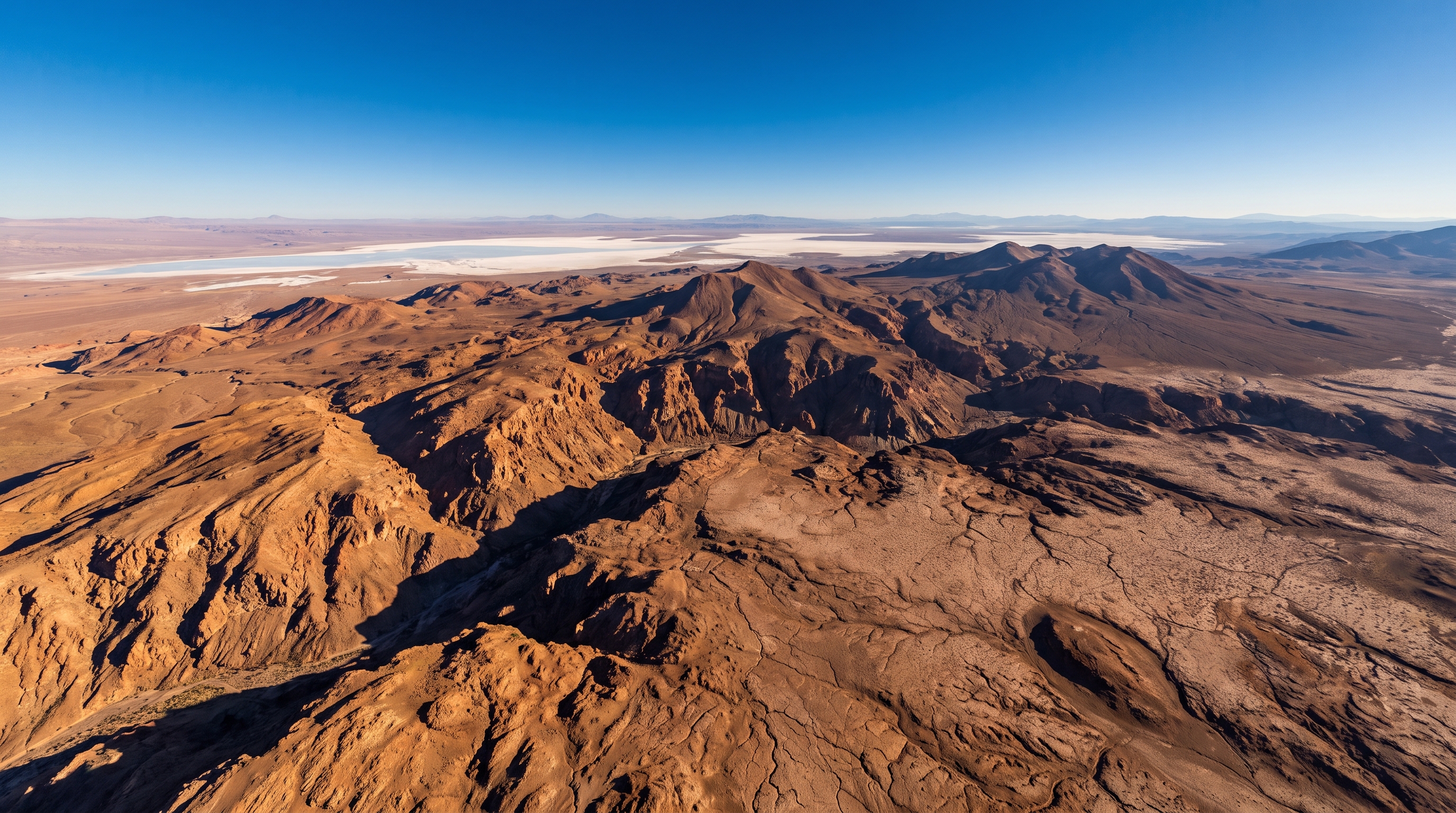
The Atacama Desert in northern Chile is widely recognized as one of the driest places on Earth and the driest non-polar desert on the planet. Some areas receive only a few millimeters of precipitation per year, while certain locations can go years or even much longer without measurable rainfall.
Located along the western coast of South America, the Atacama stretches across northern Chile and reaches into southern Peru. Its extreme dryness is caused by a combination of natural factors, including the Andes Mountains, atmospheric circulation and the cold Humboldt Current along the Pacific coast.
Why is the Atacama Desert so dry?
One of the main reasons is the rain shadow effect created by the Andes Mountains. Moisture moving across South America is largely blocked by the mountain range, leaving the western side exceptionally dry. At the same time, the cold ocean current along the Chilean coast limits the amount of moisture that can enter the atmosphere. Persistent high-pressure conditions also help prevent storms from reaching the region.
NASA reports that some parts of the Atacama receive only a few millimeters of rain per year, while extremely dry areas can experience precipitation only a few times per century. Other locations have had no recorded rainfall for as long as measurements have been kept.
A desert that can resemble Mars
The Atacama is not only famous for its lack of rain. Scientists also study it because its extremely dry soil and harsh conditions provide a useful analogue for parts of Mars.
NASA researchers have tested instruments and conducted experiments in the desert to understand how life might survive under extremely dry conditions. Some areas are so arid that microorganisms face severe limitations on growth and activity.
Is the Atacama the absolute driest place on Earth?
The answer depends on how “driest” is defined.
The Atacama is commonly described as the driest non-polar desert on Earth. However, the McMurdo Dry Valleys in Antarctica are among the planet's most extreme dry environments. They have extremely low humidity and very little snow or ice cover in some areas, despite being located in Antarctica.
That makes the Atacama particularly remarkable: it is a hot, rocky desert where water can be extraordinarily scarce, yet scientists continue to find evidence that some forms of life can survive in its harsh environment.
The Atacama Desert therefore remains one of Earth's most extreme natural laboratories—and one of the closest terrestrial environments scientists use when studying the possibility of life on Mars.